Blog - The latest articles and news
Stay up-to-date with the latest industry news as our marketing teams finds new ways to re-purpose old CSS tricks articles.
Stay up-to-date with the latest industry news as our marketing teams finds new ways to re-purpose old CSS tricks articles.
by Kingdom Kode Team, Digital Innovation
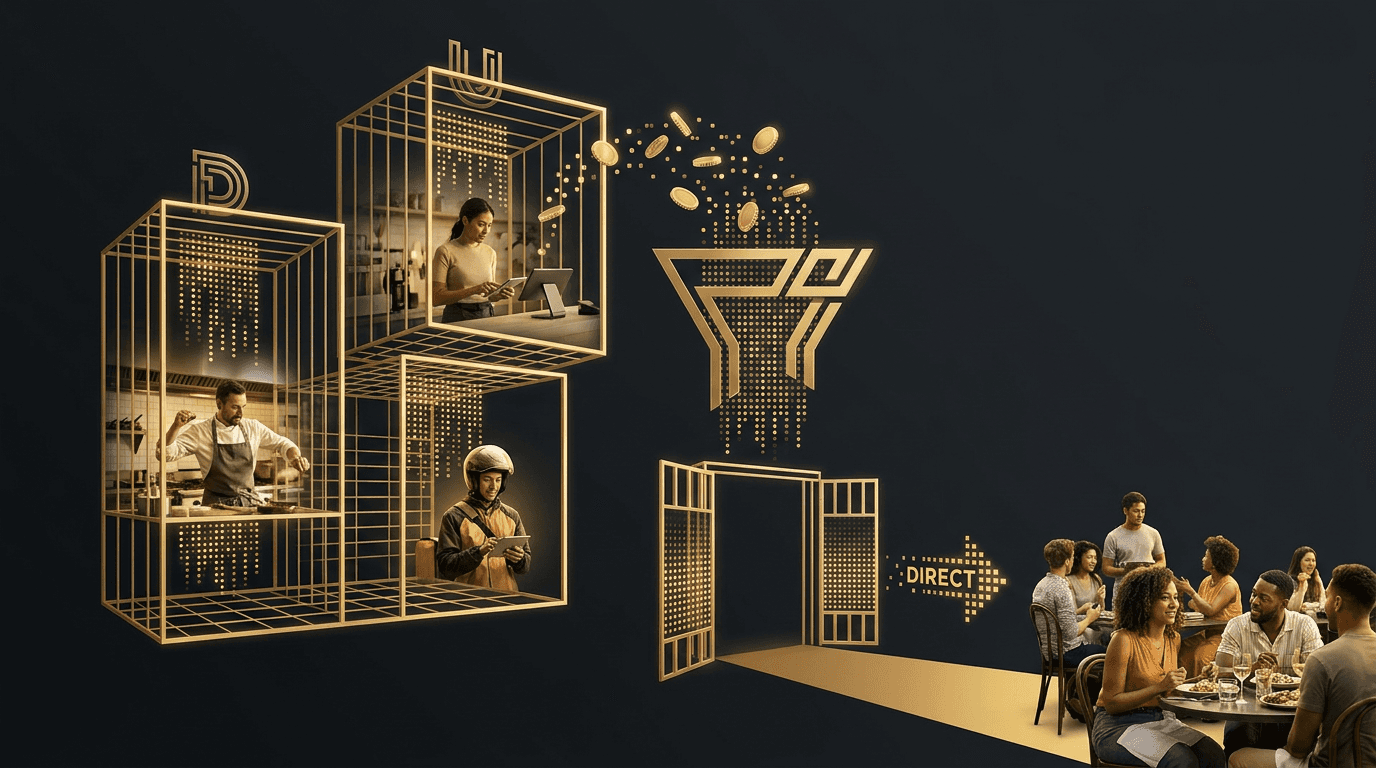
Your kitchen is slammed. Tickets are printing. And at the end of the month, your bank balance barely moved. If that's you, learning how to reduce third-party delivery app fees isn't a nice-to-have — it's the difference between a busy restaurant and a profitable one.
Here's the brutal math. DoorDash, UberEats, and the rest can take 15–30% of every order. On a $30 order, that's up to $9 gone before you've paid for the chicken, the gas, or the person who cooked it. Your food cost is already 30%. Labor is another 30%. Rent, utilities, packaging eat the rest. That 30% commission doesn't come out of your margin — it is your margin.
You're not running a restaurant. You're running a lead-gen machine for an app that keeps the customer.
Most owners fixate on the percentage. The percentage is the small problem.
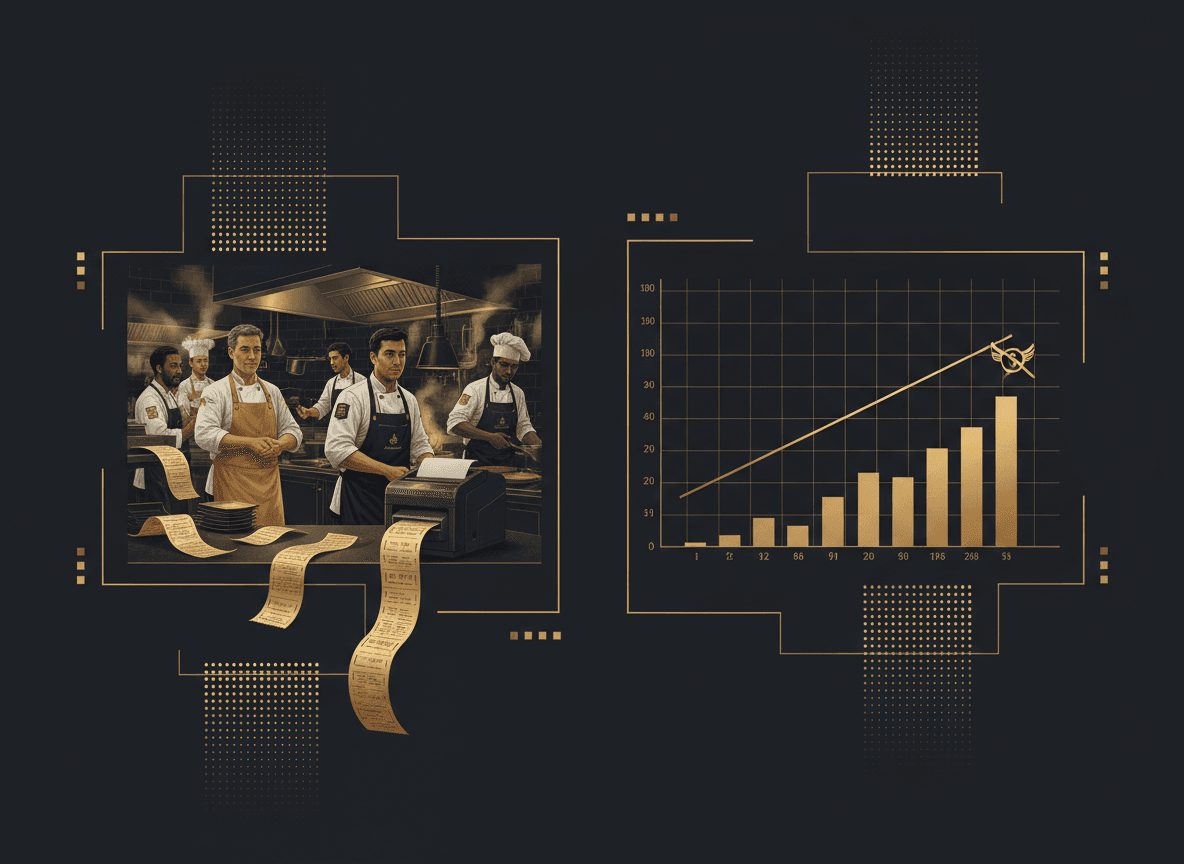
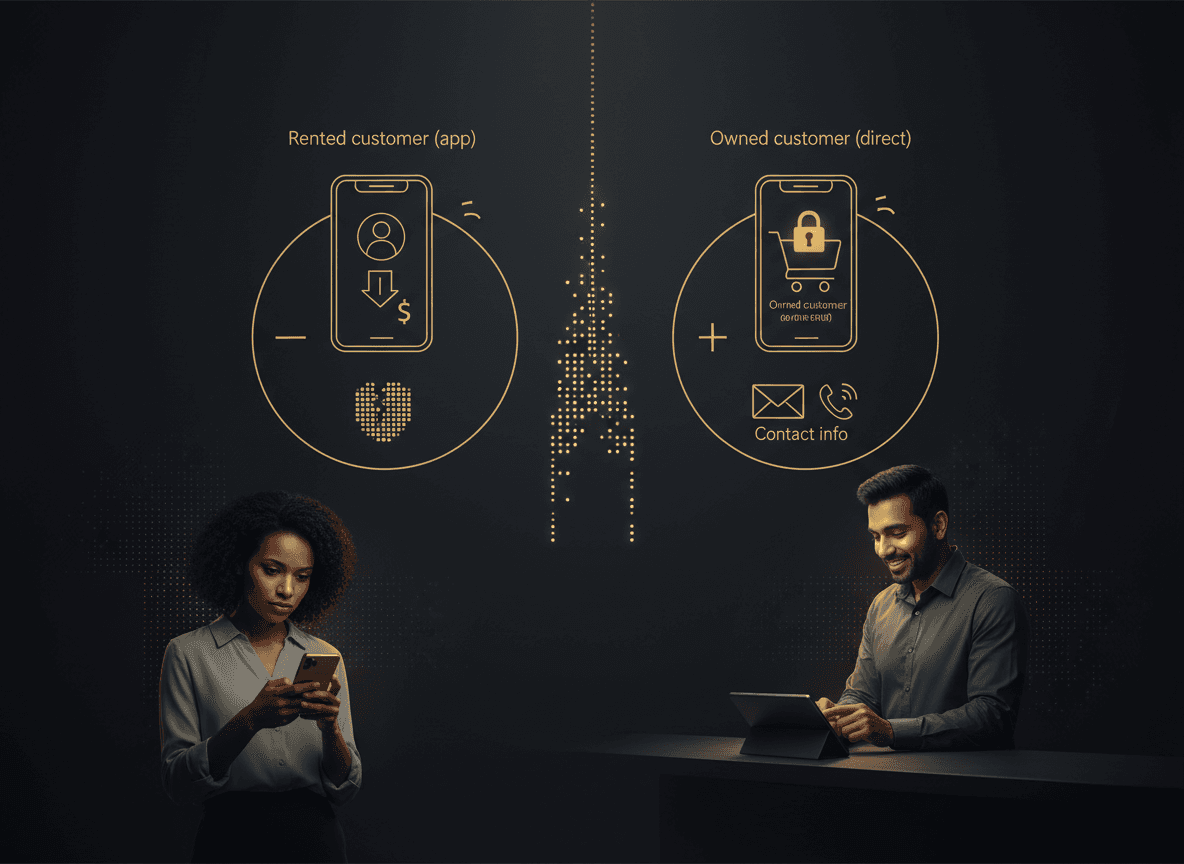
The big problem: you never get the customer. When someone orders your $18 pad thai through an app, the app owns that person's name, phone, email, and order history. Not you. You cooked the food, packaged it, and handed over a stranger you'll never be able to reach again.
So next Friday, when they're hungry, the app shows them a competitor with a $5-off banner. You paid to acquire that customer once and you can't earn a second dollar from them without paying the toll again.
Compare the two worlds:
For example, a café doing $40k/month with half of it through delivery apps would be handing over roughly $6,000 every month — $72,000 a year — to rent people it already fed.
Here's the trap. The apps show you a rising order count, so it feels like growth. But you're adding volume at your worst margin. Every new app order makes the kitchen busier and the owner poorer.
Growth that doesn't reach your bank account isn't growth. It's exhaustion with extra steps.
The fix isn't to quit the apps cold turkey — they're real distribution. The fix is to own the transaction so the apps become your lowest-priority channel instead of your only one.
Three systems take back your margin. You keep the apps for reach — but you stop making them your only door.
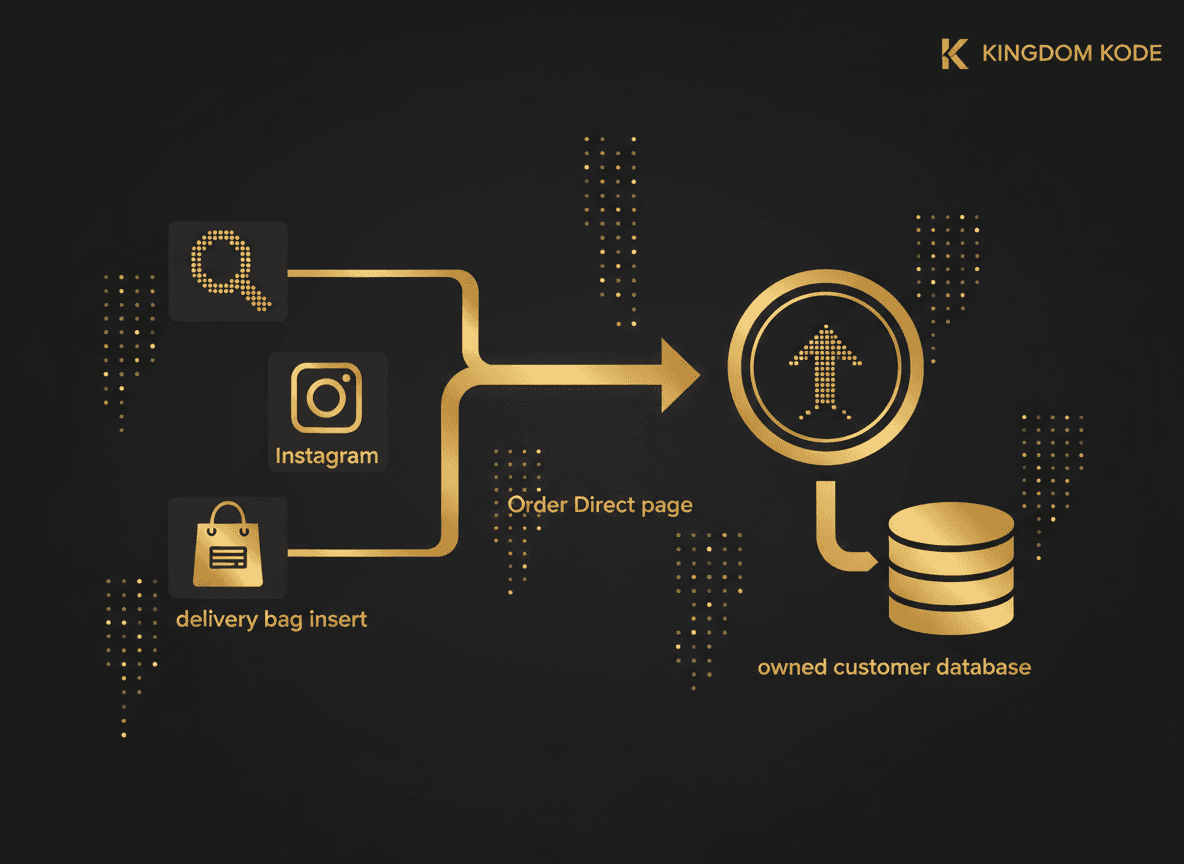
You need a branded ordering page on your own site where customers order pickup and delivery directly. You pay payment processing — roughly 2–3% — instead of 15–30%. That's the entire difference between the two economics above.
Make direct ordering the obvious choice:
When someone orders direct, you capture their name, phone, and email. That list is the most valuable asset in your business, and right now the apps are holding it hostage.
Once it's yours:
This is rebooking — the lever the apps deliberately keep out of your hands. For example, a list of 1,000 owned customers you can message for free beats 5,000 anonymous app orders you have to re-buy every single time.
Most delivery demand starts with a search: "tacos near me," "best ramen [your city]," your restaurant's name. Right now those searchers land on the apps.
Dial in your Google Business Profile and you route them to your ordering flow instead:
When a hungry person searches at 6:47pm and clicks straight to your commission-free page, you just won a customer at 3% instead of 30% — and you kept their info.
Stack these three and the picture flips. The apps become the channel you tolerate for reach, while direct orders — the ones that actually pay you — climb every month. Same kitchen. Same food. Dramatically different bank balance.
Busy was never the goal. Profitable is.
You don't need to guess how much the apps are costing you or which fix to build first. Run your free Revenue Code Diagnostic and we'll map exactly where your margin is leaking and what to install to take back the transaction.
Ready to build it out? Book a pricing call or read more breakdowns on the blog.
Most SaaS founders treat the free trial as a waiting room. The ones converting at 25% or higher treat it as a structured sales system. Here is how to build that system.
Read moreA product roadmap tells you what you are building. A revenue engine tells you whether it is making money. Most SaaS founders only have one of these, and it is the wrong one.
Read more