Blog - The latest articles and news
Stay up-to-date with the latest industry news as our marketing teams finds new ways to re-purpose old CSS tricks articles.
Stay up-to-date with the latest industry news as our marketing teams finds new ways to re-purpose old CSS tricks articles.
by Kingdom Kode Team, Digital Innovation

You paid to get someone to your booking page. An ad. A referral. A Google search at 11pm. They clicked "book," picked a time, started typing their name — and then their kid cried, their Uber arrived, their phone rang. Gone.
No deposit hold. No follow-up text. No trace. That warm prospect just evaporated, and you'll never know they existed.
That's the most expensive leak in an appointment business, and almost nobody is plugging it. So let's talk about how to recover abandoned online bookings — the demand you already earned attention for, then let walk out the door.
Think about what an abandoned booking actually is. It's not a cold lead. It's the warmest possible buyer — someone who found you, wanted your service, and got 80% of the way to paying you.
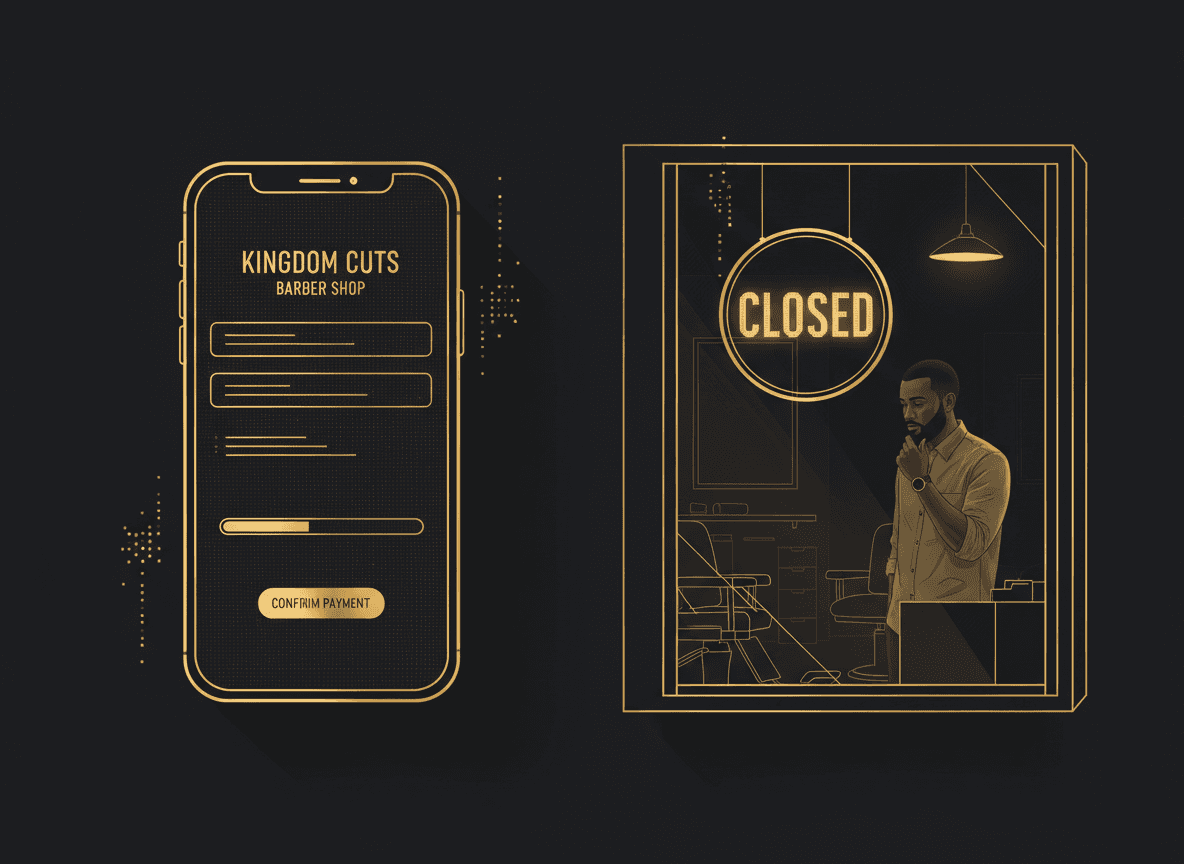
You spent money and effort to create that intent. The hard part is done. And then a broken checkout or a missing follow-up throws it in the trash.
Acquiring a brand-new customer costs you ad spend, time, and luck. Recovering someone who already started booking costs you one automated text. The math isn't close.
Most owners obsess over getting more traffic while quietly bleeding the traffic they already have. You don't have a traffic problem. You have a recovery problem.
Mid-checkout. They start the booking and don't finish. Distraction, a confusing form, no available time that works, sticker shock at the deposit. The intent was real. The completion wasn't.
After hours. They find you at 9pm, on a Sunday, or while you're mid-appointment with hands full. There's no one to answer, no way to hold a slot, and by morning they've booked your competitor who had online scheduling running 24/7.
A salon doing $30k/mo might see a meaningful slice of weekly inquiries land outside open hours. If those never get captured or followed up, that's not slow demand — that's invisible demand you're throwing away.
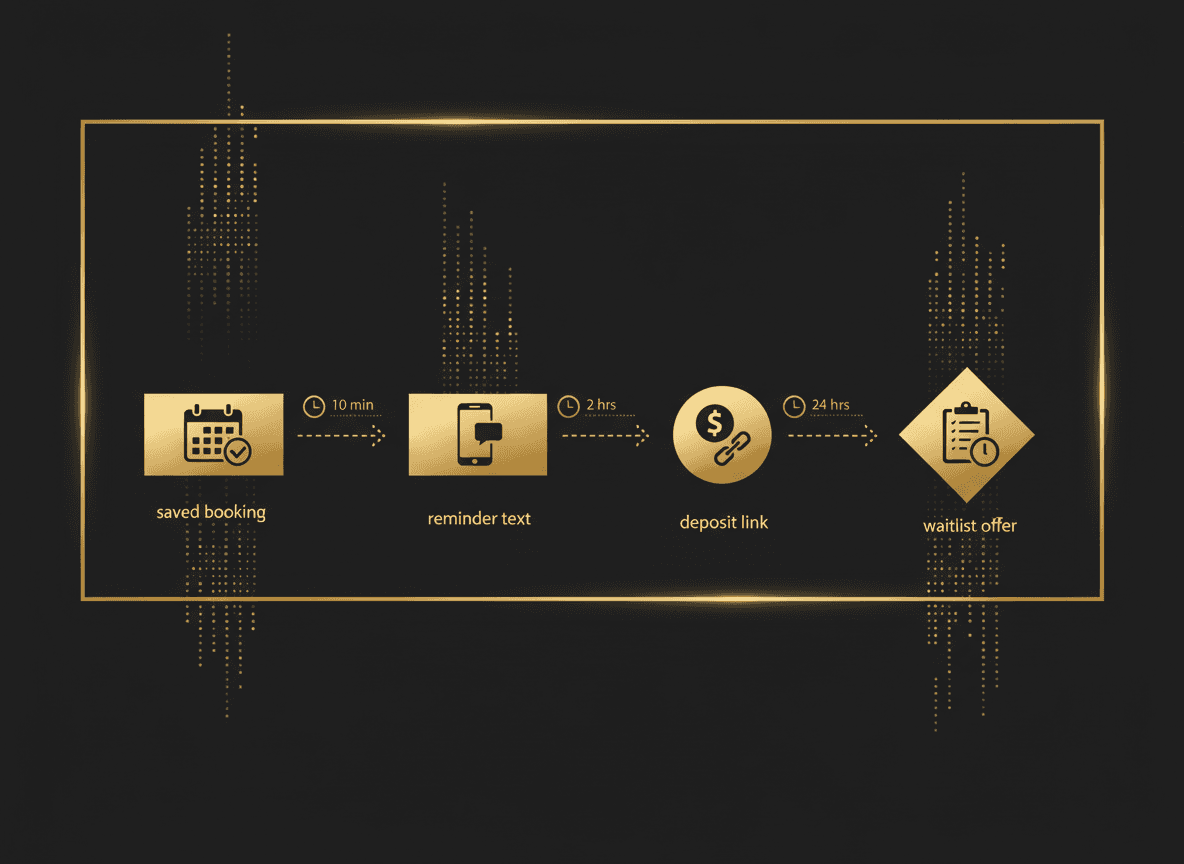
Here's the system. It runs automatically, whether you're asleep, with a client, or closed for the weekend.
Step 1 — Save the partial booking. The moment someone enters a name, phone, or picks a service, capture it. Even if they never hit "confirm." You can't recover what you never recorded. This is the foundation everyone skips.
Step 2 — Send a fast reminder. Within 15–30 minutes, an automated text: "Hey [name], looks like you started booking a [service] with us but didn't finish. Want me to hold your spot? Tap here." Friendly, specific, one tap to resume. Speed matters — the intent cools by the hour.
Step 3 — Offer the deposit link. If your abandonment is partly people who aren't serious, a small deposit filters them and locks them in. Send a direct link: pay a $20 hold, slot's yours. Serious buyers pay. Tire-kickers self-select out. Either way you win.
Step 4 — Fall back to a waitlist offer. If they still don't complete, add them to a waitlist or send a lighter-touch nudge later: "No pressure — want first dibs when a spot opens this week?" You keep the relationship warm instead of dead.
Four touches. Zero manual effort after setup. It reclaims bookings you would have never known you lost.
Your booking page should sell while you sleep. That means:
The goal: no window of demand ever hits a dead end. Someone wants to give you money at midnight? Let them.
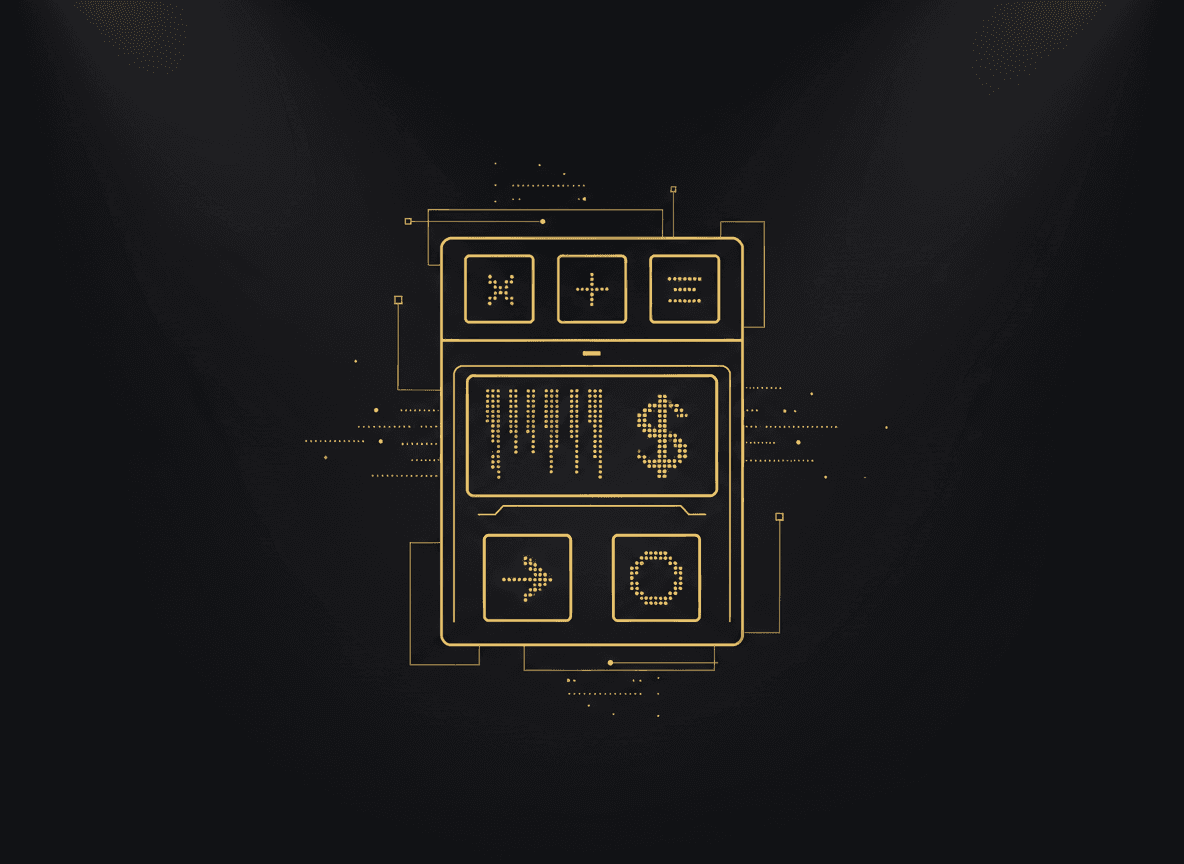
Run your own numbers. Take your average ticket. Estimate how many people start a booking and don't finish, plus how many reach out after hours and never hear back. Multiply.
For most appointment businesses, the recovered revenue from this one system pays for itself many times over — because you're not buying new demand, you're keeping demand you already have. Every recovered booking is close to pure margin.
This isn't about working harder or spending more on ads. It's about closing the back door before you pour more water in the front.
If you don't know your abandoned-booking rate, that's the tell — it means nothing is capturing it. The demand is leaving and you can't even see it happen.
The diagnosis is free. Run your free Revenue Code Diagnostic and we'll show you where your bookings are leaking and what an auto-recovery sequence would reclaim for your specific business. Then you decide if you want us to build it.
Want to see how we think about the whole revenue system? Read more on the blog or get in touch.
Most SaaS founders treat the free trial as a waiting room. The ones converting at 25% or higher treat it as a structured sales system. Here is how to build that system.
Read moreA product roadmap tells you what you are building. A revenue engine tells you whether it is making money. Most SaaS founders only have one of these, and it is the wrong one.
Read more